


Why Retaining Walls Fail in Winnipeg (And How to Prevent It)
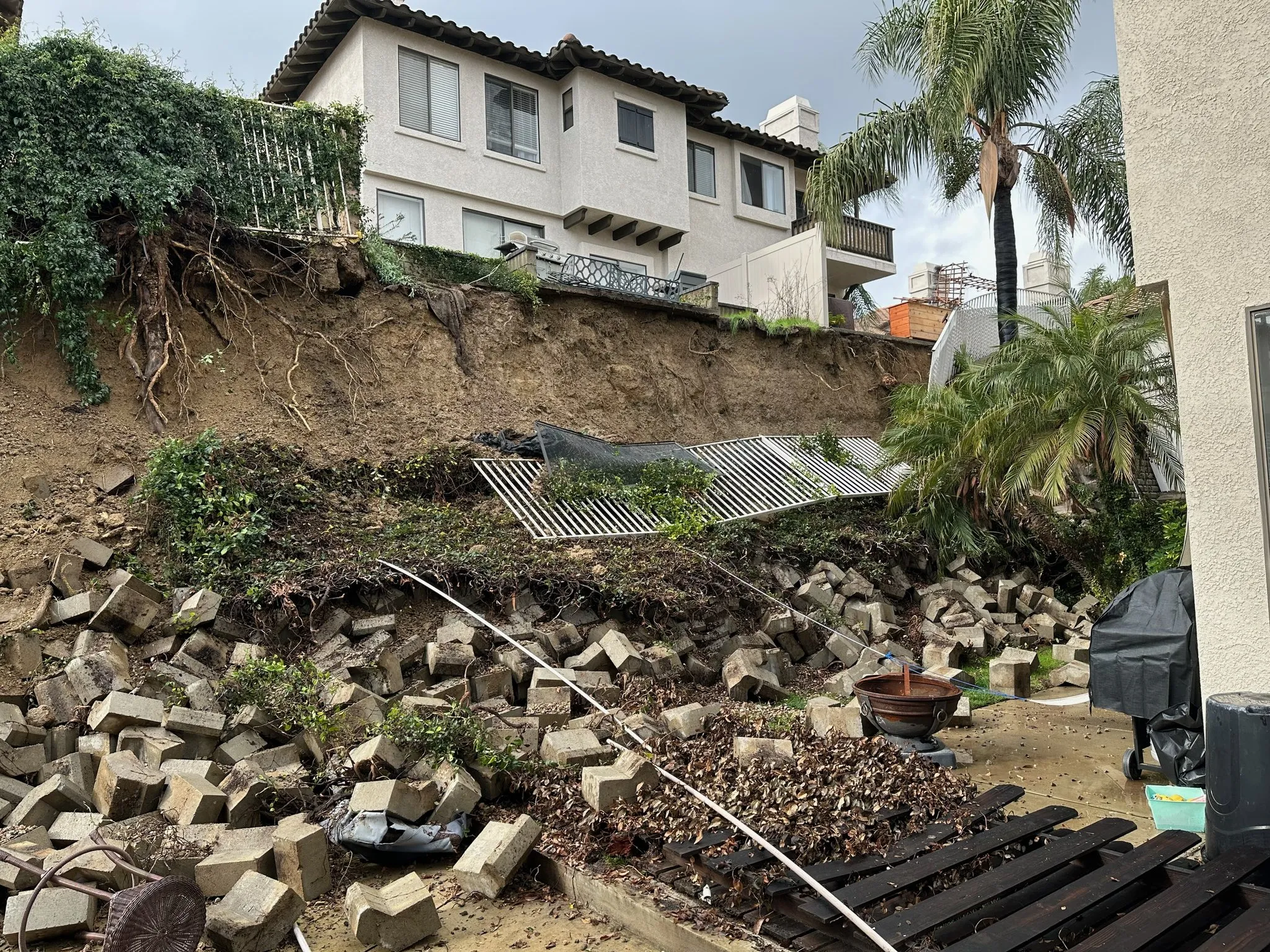
Why Retaining Walls Fail in Winnipeg (And How to Prevent It)
In Winnipeg, retaining wall failure is more common than many homeowners expect.
The reason isn’t the materials — it’s what’s happening behind and beneath the wall.
Understanding why walls fail is the first step in building one that actually lasts.
The Most Common Cause: Poor Drainage
The number one reason retaining walls fail is water pressure.
When water builds up behind a wall:
- soil becomes saturated
- pressure increases
- the wall begins to shift or lean
Over time, this pressure can cause cracking, bulging, or complete collapse.
This is why proper drainage is not optional — it’s a core part of the structure.
Winnipeg’s Clay Soil Makes It Worse
Winnipeg’s soil conditions make drainage problems more severe.
Clay soil:
- holds water instead of draining it
- expands when wet
- contracts when dry
This constant movement puts additional stress on retaining walls.
Lack of Proper Base Preparation
A retaining wall is only as strong as its foundation.
If the base is not properly prepared:
- the wall can settle unevenly
- sections may begin to lean
- long term stability is compromised
Proper base construction includes excavation, compacted gravel, and a stable foundation layer.
No Drainage System Behind the Wall
Even if the wall looks solid from the front, what’s behind it matters more.
A proper retaining wall should include:
- drainage gravel
- perforated pipe
- outlet for water flow
Without these, water becomes trapped — and pressure builds.
Many wall failures are directly linked to missing or poorly installed drainage systems.
Incorrect Wall Design or Height
Not all retaining walls are built the same.
Walls that are:
- too tall without reinforcement
- built without engineering consideration
- installed without proper support systems
…are at high risk of failure.
As wall height increases, so does the need for reinforcement and proper design.
Poor Yard Grading
Water should never be directed toward a retaining wall.
If the surrounding yard slopes toward the structure, it increases water pressure and accelerates failure.
Grading plays a major role in:
- directing water away
- reducing soil saturation
- protecting the wall
This is why retaining walls are often part of a larger grading and drainage solution.
Freeze Thaw Cycles in Winnipeg
Winnipeg’s climate adds another layer of stress.
During winter:
- water freezes and expands
- soil shifts
- pressure increases
In spring:
- thawing causes movement
- water volume increases
These cycles repeat every year, gradually weakening improperly built walls.
Low Quality Materials or Installation
Not all failures are due to design — some come down to execution.
Common shortcuts include:
- using the wrong base material
- skipping compaction
- not installing drainage properly
These mistakes may not be visible immediately, but they lead to failure over time.
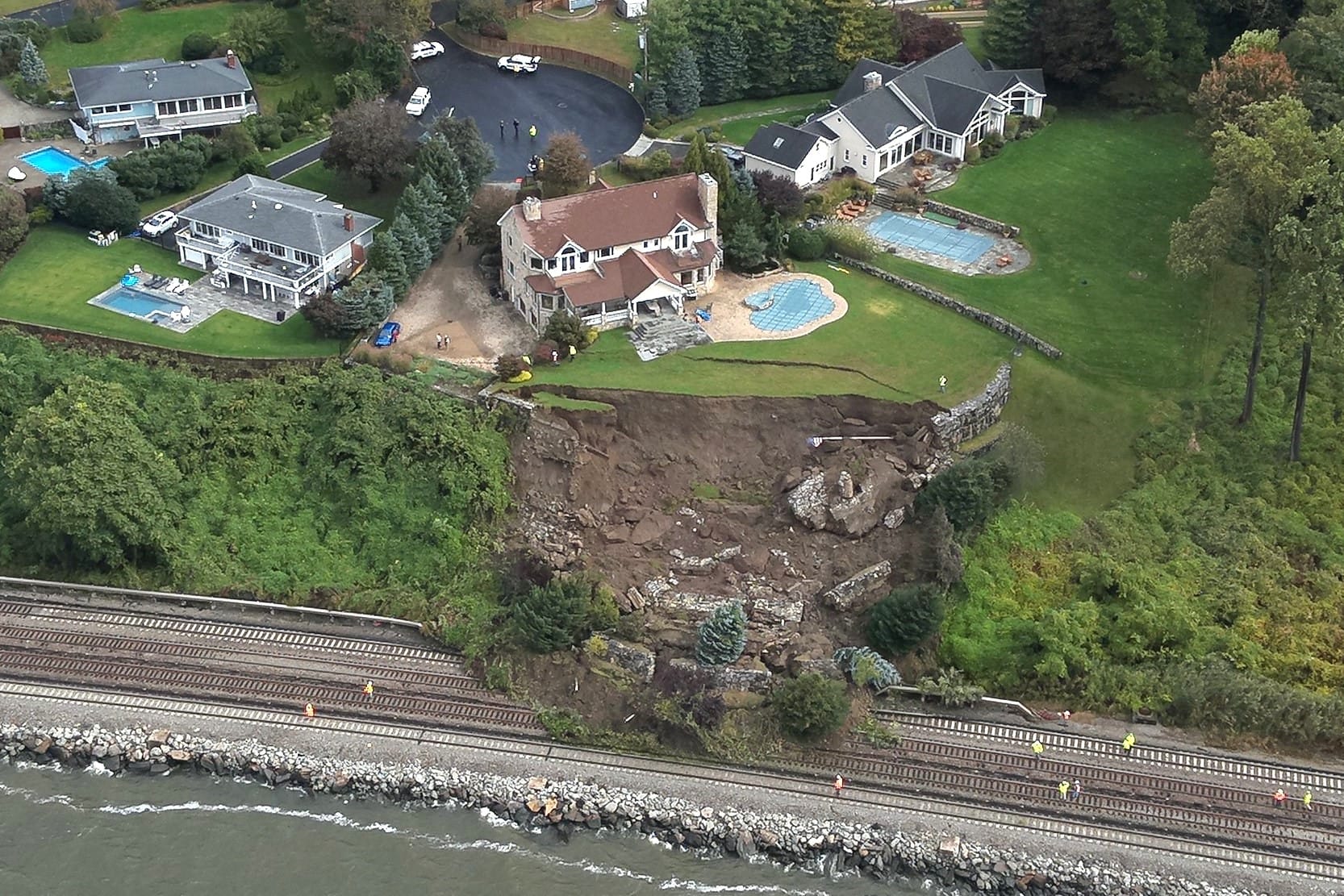
Why Retaining Walls Fail Even After Repairs
In many cases, walls are repaired without addressing the root problem.
Fixing the surface without correcting:
- drainage
- base issues
- grading
…means the wall will likely fail again.
This is similar to other hardscape failures where the visible issue is only part of the problem.
How to Prevent Retaining Wall Failure
Preventing failure comes down to doing it right from the start.
Key steps include:
- proper excavation and base preparation
- installing drainage behind the wall
- designing for height and load
- ensuring correct yard grading
When all of these are done properly, retaining walls can last decades without issues.
When to Replace vs Repair a Retaining Wall
Not all failing walls need full replacement.
Small issues may be repairable, but major problems usually require rebuilding.
Signs replacement is needed:
- significant leaning or bulging
- repeated failure after repairs
- drainage issues that were never corrected
In these cases, rebuilding properly is the only long term solution.
Why Professional Installation Matters
Retaining walls are structural — not just decorative.
They require:
- planning
- engineering awareness
- proper installation techniques
Frequently Asked Questions
Q: Why do retaining walls fail in Winnipeg?
A: Most failures are caused by poor drainage, weak base preparation, and soil movement from freeze-thaw cycles.
Q: How long should a retaining wall last?
A: A properly built retaining wall can last 25–50+ years.
Q: Can a failing retaining wall be repaired?
A: Some minor issues can be repaired, but major failures usually require rebuilding.
Q: Do retaining walls need drainage?
A: Yes, drainage is essential to prevent water pressure buildup behind the wall.
Q: Is leaning a sign of failure?
A: Yes, leaning is one of the earliest signs that a retaining wall is failing.
Avoid Retaining Wall Failure — Build It Right the First Time
Retaining walls don’t fail randomly — they fail when key steps are skipped.
At Genesis Interlocking & Custom Landscaping, we build retaining walls in Winnipeg with proper base preparation, drainage systems, and structural integrity designed for long term performance.
Contact us today to ensure your wall is built to last.
Popular Posts

What to Budget for Landscaping a New Home in Winnipeg
Learn how much to budget for landscaping a new home in Winnipeg, including grading, patios, drainage, and full yard construction costs.
What Order Should Landscaping Be Done in Winnipeg?
Learn the correct order for landscaping projects in Winnipeg, including grading, drainage, hardscaping, and planting for long-term results.
Landscaping a New Build in Winnipeg: Where to Start
Discover how to plan landscaping for a new build in Winnipeg, including grading, drainage, hardscaping, and phased project planning.
Categories
Tags
base preparation (2) contractor pricing Winnipeg (2) drainage problems (2) drainage problems Winnipeg (2) drainage Winnipeg (4) driveway pavers Winnipeg (2) foundation drainage (2) foundation drainage landscaping (1) grading Winnipeg (6) hardscaping mistakes (3) hardscaping repair (1) hardscaping Winnipeg (12) hire landscaper Winnipeg (2) interlocking base (1) interlocking drainage (1) interlocking patio Winnipeg (4) interlocking Winnipeg (4) landscape grading Winnipeg (1) landscaping (3) landscaping company Winnipeg (2) landscaping contractor Winnipeg (5) landscaping cost Winnipeg (6) landscaping mistakes Winnipeg (2) landscaping quotes Winnipeg (4) landscaping tips Winnipeg (3) landscaping Winnipeg (13) new build landscaping (2) outdoor living spaces Winnipeg (3) patio installation Winnipeg (3) paver base (1) paver installation guide (1) paver repair Winnipeg (2) retaining wall problems (2) retaining walls Winnipeg (7) Services (2) soil grading (2) water pooling yard (2) water pooling yard Winnipeg (1) Winnipeg landscaper (6) Winnipeg Landscaping (3) yard construction (2) yard drainage (3) yard drainage Winnipeg (2) yard flooding prevention Winnipeg (1) yard grading Winnipeg (3)