


How Long Do Retaining Walls Last in Winnipeg?
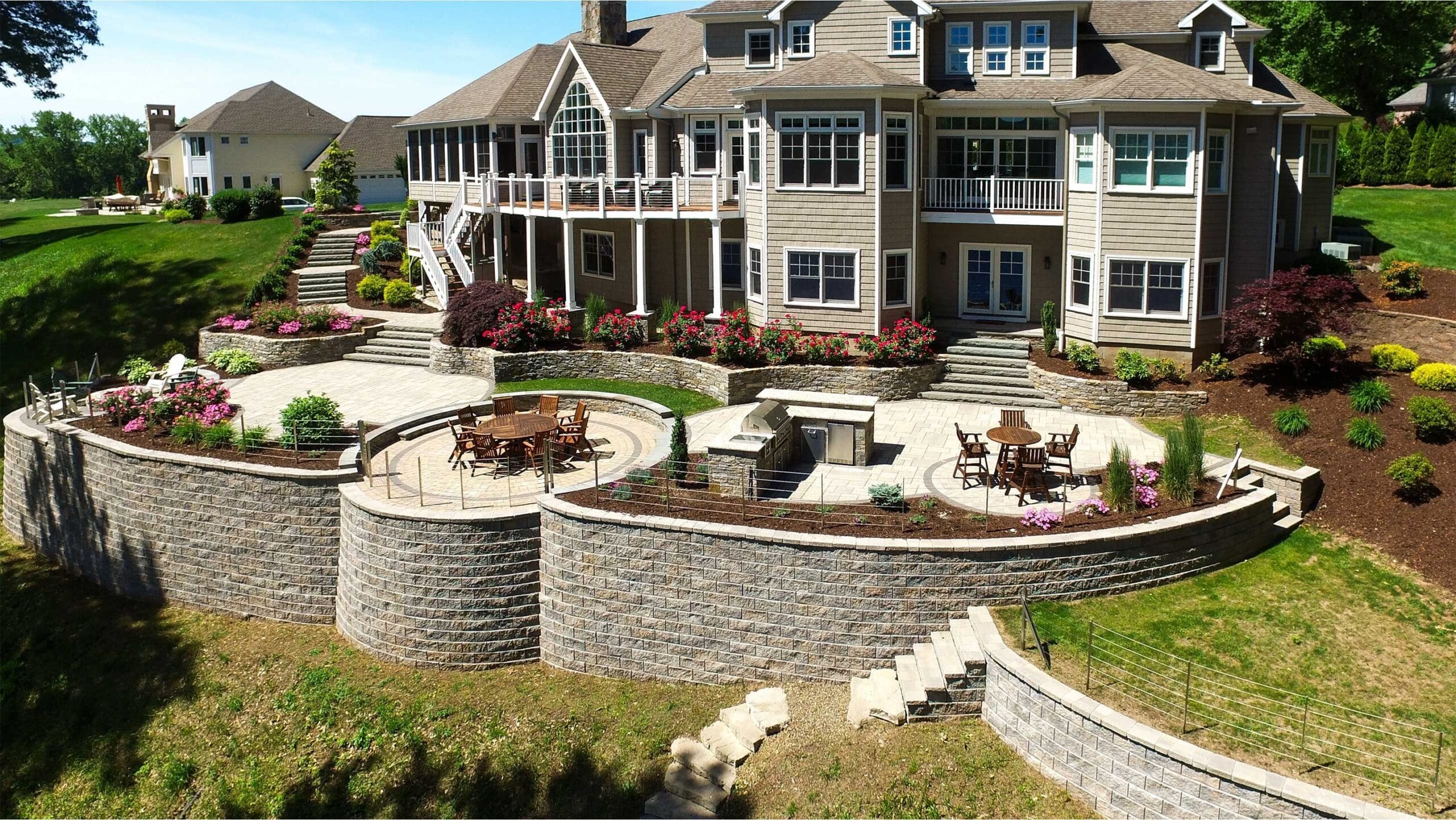
How Long Do Retaining Walls Last in Winnipeg?
In Winnipeg, where soil movement, drainage issues, and freeze-thaw cycles all play a role, the difference between a wall that lasts decades and one that fails early comes down to the details behind the build.
Understanding what affects lifespan helps you make better decisions and avoid costly problems later.
Average Lifespan of Retaining Walls
A properly built retaining wall can last:
- 25–50+ years for most structural walls
- 50+ years for high-quality installations with proper drainage
- less than 10–15 years if built incorrectly
The wide range comes down to installation quality, materials, and how well the wall handles water and soil pressure.
The Biggest Factor: Installation Quality
The number one factor affecting lifespan is how the wall is built.
A retaining wall is not just blocks or stone — it’s a system that includes:
- base preparation
- drainage
- structural support
If any of these are done incorrectly, the wall’s lifespan is significantly reduced.
Why Drainage Determines Lifespan
Water is the biggest threat to any retaining wall.
Without proper drainage:
- pressure builds behind the wall
- soil becomes saturated
- structural stress increases
Over time, this leads to leaning, cracking, or failure.
This is why drainage planning is one of the most important parts of any retaining wall installation.
Base Preparation and Foundation Strength
The base of the wall supports everything above it.
If the base is weak:
- the wall may settle unevenly
- movement begins early
- long-term durability is compromised
A properly compacted gravel base ensures the wall remains stable through seasonal changes.
Material Choice and Durability
Different materials have different lifespans.
Concrete Block
- durable and widely used
- performs well in Winnipeg conditions
Natural Stone
- extremely long-lasting
- higher cost but premium durability
Timber
- shorter lifespan
- more prone to moisture damage
Material choice matters, but installation quality still plays a bigger role overall.
Winnipeg Climate Impact (Freeze-Thaw Cycles)
Winnipeg’s climate puts additional stress on retaining walls.
During winter:
- water freezes and expands
- soil shifts
In spring:
- thawing increases moisture
- pressure builds behind the wall
These cycles repeat every year, testing the wall’s structural integrity.
Walls that are not built properly tend to fail much sooner under these conditions.
Common Reasons Retaining Walls Fail Early
When retaining walls fail prematurely, it’s usually due to:
- poor drainage
- inadequate base preparation
- incorrect installation
- lack of reinforcement for height
Many of these issues are preventable with proper planning and installation.
Maintenance and Longevity
Retaining walls require minimal maintenance, but small steps can extend their lifespan:
- ensuring drainage outlets stay clear
- monitoring for early signs of movement
- addressing minor issues before they worsen
Regular checks help prevent small problems from becoming major repairs.
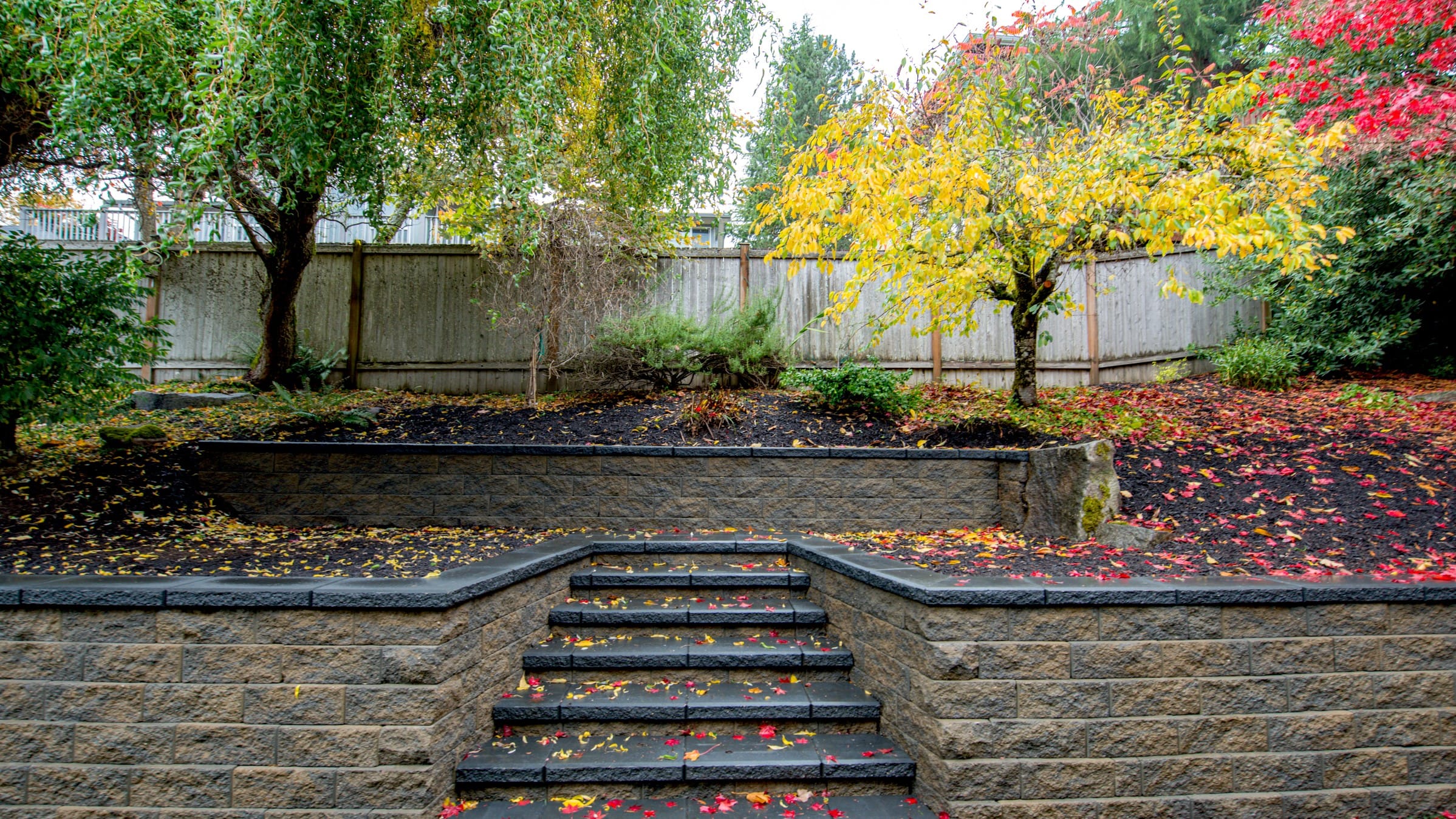
Repair vs Replacement
Not all retaining wall issues require full replacement.
Minor problems can sometimes be repaired, but major structural issues often require rebuilding.
If the original installation did not address:
- drainage
- base preparation
- grading
…the wall will likely fail again even after repairs.
How to Maximize the Lifespan of Your Retaining Wall
To get the longest life from your wall:
- invest in proper installation
- ensure drainage is included
- use quality materials
- work with experienced professionals
These steps make the difference between a short-term fix and a long-term solution.
Is a Retaining Wall Worth the Investment?
When built properly, a retaining wall is one of the most valuable upgrades you can make to your property.
It:
- prevents erosion
- improves drainage
- creates usable space
- protects structures
Instead of thinking about cost alone, it’s better to look at the long-term value and performance.
Frequently Asked Questions
Q: How long do retaining walls last in Winnipeg?
A: Most retaining walls last 25–50+ years when built with proper base preparation and drainage.
Q: What shortens the lifespan of a retaining wall?
A: Poor drainage, weak base preparation, and improper installation are the most common causes of early failure.
Q: Do retaining walls require maintenance?
A: Minimal maintenance is required, mainly checking drainage and monitoring for movement.
Q: Can a retaining wall last 50 years?
A: Yes, high-quality retaining walls can last 50+ years when installed correctly.
Q: Is it worth repairing a retaining wall?
A: Minor issues can be repaired, but major problems usually require rebuilding for long-term stability.
Build a Retaining Wall That Lasts for Decades
A retaining wall should be a long-term solution — not something you need to fix every few years.
At Genesis Interlocking & Custom Landscaping, we build retaining walls in Winnipeg with proper base preparation, drainage systems, and structural integrity designed to last.
Contact us today to get a quote and build it right from the start.
Popular Posts

What to Budget for Landscaping a New Home in Winnipeg
Learn how much to budget for landscaping a new home in Winnipeg, including grading, patios, drainage, and full yard construction costs.
What Order Should Landscaping Be Done in Winnipeg?
Learn the correct order for landscaping projects in Winnipeg, including grading, drainage, hardscaping, and planting for long-term results.
Landscaping a New Build in Winnipeg: Where to Start
Discover how to plan landscaping for a new build in Winnipeg, including grading, drainage, hardscaping, and phased project planning.
Categories
Tags
base preparation (2) contractor pricing Winnipeg (2) drainage problems (2) drainage problems Winnipeg (2) drainage Winnipeg (4) driveway pavers Winnipeg (2) foundation drainage (2) foundation drainage landscaping (1) grading Winnipeg (6) hardscaping mistakes (3) hardscaping repair (1) hardscaping Winnipeg (12) hire landscaper Winnipeg (2) interlocking base (1) interlocking drainage (1) interlocking patio Winnipeg (4) interlocking Winnipeg (4) landscape grading Winnipeg (1) landscaping (3) landscaping company Winnipeg (2) landscaping contractor Winnipeg (5) landscaping cost Winnipeg (6) landscaping mistakes Winnipeg (2) landscaping quotes Winnipeg (4) landscaping tips Winnipeg (3) landscaping Winnipeg (13) new build landscaping (2) outdoor living spaces Winnipeg (3) patio installation Winnipeg (3) paver base (1) paver installation guide (1) paver repair Winnipeg (2) retaining wall problems (2) retaining walls Winnipeg (7) Services (2) soil grading (2) water pooling yard (2) water pooling yard Winnipeg (1) Winnipeg landscaper (6) Winnipeg Landscaping (3) yard construction (2) yard drainage (3) yard drainage Winnipeg (2) yard flooding prevention Winnipeg (1) yard grading Winnipeg (3)