


Can You Build a Retaining Wall on Concrete in Winnipeg?
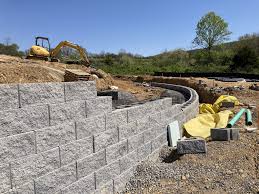
Can You Build a Retaining Wall on Concrete in Winnipeg?
This is one of the most common questions homeowners ask when planning a retaining wall — especially when there’s already an existing concrete slab or old patio in place.
The short answer is:
Sometimes — but in most cases, it’s not recommended.
In Winnipeg, where soil movement and freeze-thaw cycles are a constant factor, building a retaining wall on concrete can create long-term structural issues if not done correctly.
Why People Want to Build on Concrete
Homeowners often want to build on concrete because:
- it seems like a solid base
- it avoids excavation
- it can reduce upfront cost
On the surface, it looks like a shortcut — but in reality, it can lead to bigger problems if the structure underneath isn’t designed for it.
The Problem With Concrete as a Base
Concrete is strong, but it’s not designed to function as a proper retaining wall foundation.
Issues include:
- lack of proper drainage
- no granular base underneath
- limited flexibility for ground movement
This becomes especially problematic in Winnipeg’s climate.
Freeze-Thaw Movement and Concrete
Concrete slabs are rigid.
The ground beneath them is not.
During winter:
- soil freezes and expands
During spring:
- thawing causes shifting
A retaining wall built on top of a slab doesn’t move the same way as the surrounding ground, which can lead to:
- cracking
- separation
- leaning walls
This is one of the reasons retaining walls fail when installed without proper ground preparation.
When It Might Work
There are limited situations where building on concrete can work:
- very small decorative walls
- non-structural applications
- areas with excellent drainage
Even then, proper preparation is still required.
For most structural retaining walls, especially those holding back soil, a proper base is essential.
Why Proper Base Preparation Still Matters
A retaining wall needs:
- compacted granular base
- proper depth
- structural support
Concrete alone does not provide this system.
Drainage Is Still Required
Even if you build on concrete, drainage cannot be ignored.
Without it:
- water pressure builds behind the wall
- soil becomes saturated
- failure becomes likely
Proper drainage systems are critical for any retaining wall installation, regardless of the base.
The Better Approach: Remove and Rebuild
In most cases, the best solution is:
- remove the existing concrete
- excavate properly
- rebuild with a proper base and drainage system
While this increases upfront cost, it prevents long-term issues and ensures the wall performs correctly.
Signs You Should NOT Build on Concrete
Avoid building on concrete if:
- the wall is structural
- the area has drainage issues
- the slab is cracked or uneven
- the wall will be over a certain height
These conditions increase the risk of failure significantly.
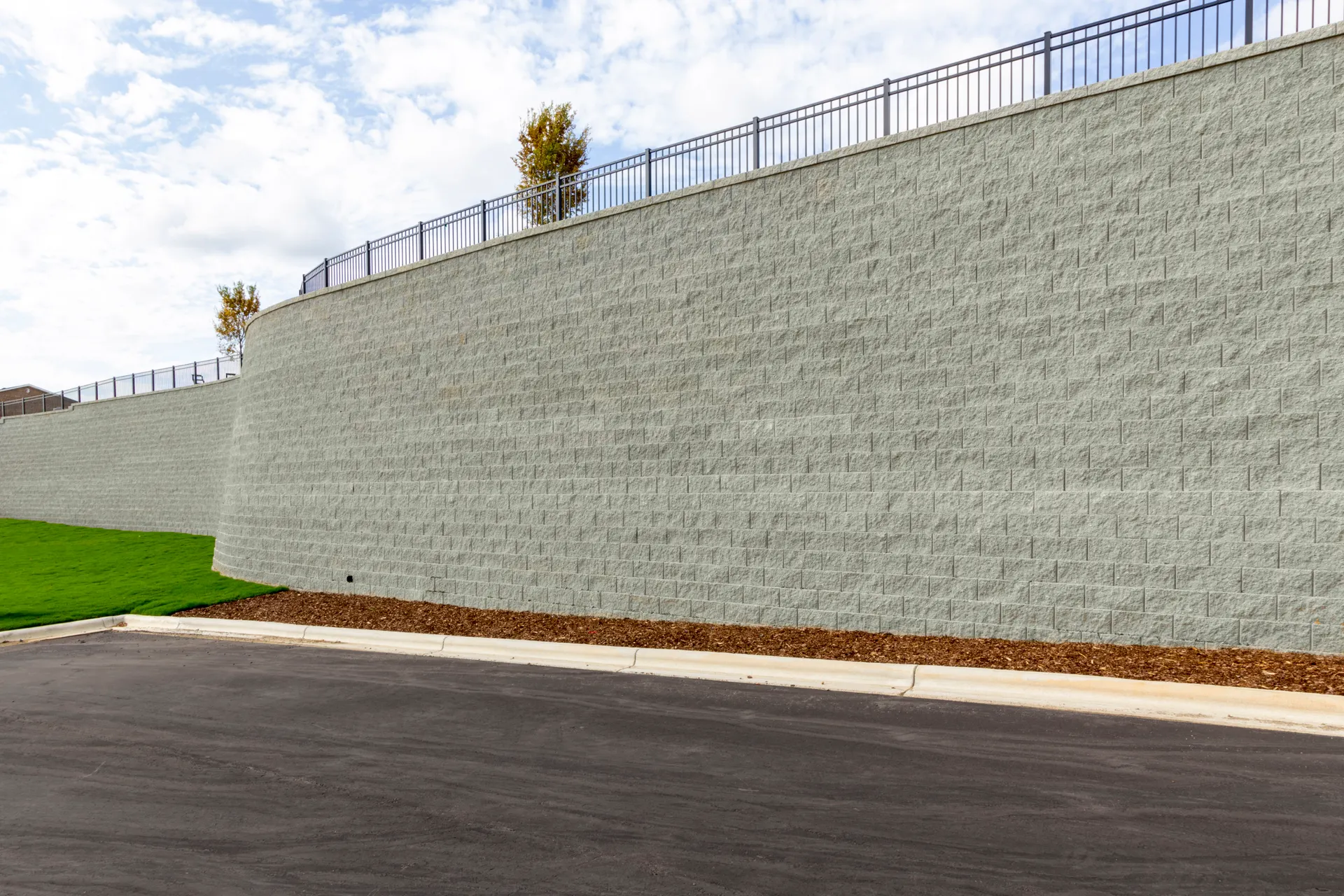
Can You Anchor a Retaining Wall to Concrete?
Some systems attempt to anchor walls to concrete.
While this can work in certain engineered applications, it still does not replace:
- proper base
- drainage
- soil support
Without those, the wall is still at risk.
Long-Term Performance vs Short-Term Savings
Building a retaining wall on concrete is often considered to save time or money.
But in most cases:
- it increases risk
- shortens lifespan
- leads to repairs or rebuilding
A properly built wall lasts decades — shortcuts usually don’t.
Professional Installation Matters
Retaining walls are structural systems, not just landscaping features.
Professional installation ensures:
- correct excavation
- proper base preparation
- drainage design
- long-term durability
This is what separates a wall that lasts 30+ years from one that fails early.
Frequently Asked Questions
Q: Can you build a retaining wall on concrete?
A: Yes, but it is usually not recommended for structural walls, especially in climates like Winnipeg.
Q: Why is concrete not a good base for retaining walls?
A: Concrete does not provide proper drainage or flexibility, which can lead to failure over time.
Q: Will a retaining wall on concrete fail?
A: It can, especially if drainage and soil movement are not properly managed.
Q: Is it better to remove concrete before building a retaining wall?
A: In most cases, yes. Removing the slab allows for proper excavation and base preparation
Q: Can small retaining walls be built on concrete?
A: Small decorative walls may work, but structural walls should always be built on a proper base.
Build Your Retaining Wall the Right Way From the Start
Shortcuts like building on concrete can lead to long-term problems.
At Genesis Interlocking & Custom Landscaping, we build retaining walls in Winnipeg with proper excavation, base preparation, and drainage systems designed to last.
Contact us today to get expert guidance and a quote for your project.
Popular Posts

What to Budget for Landscaping a New Home in Winnipeg
Learn how much to budget for landscaping a new home in Winnipeg, including grading, patios, drainage, and full yard construction costs.
What Order Should Landscaping Be Done in Winnipeg?
Learn the correct order for landscaping projects in Winnipeg, including grading, drainage, hardscaping, and planting for long-term results.
Landscaping a New Build in Winnipeg: Where to Start
Discover how to plan landscaping for a new build in Winnipeg, including grading, drainage, hardscaping, and phased project planning.
Categories
Tags
base preparation (2) contractor pricing Winnipeg (2) drainage problems (2) drainage problems Winnipeg (2) drainage Winnipeg (4) driveway pavers Winnipeg (2) foundation drainage (2) foundation drainage landscaping (1) grading Winnipeg (6) hardscaping mistakes (3) hardscaping repair (1) hardscaping Winnipeg (12) hire landscaper Winnipeg (2) interlocking base (1) interlocking drainage (1) interlocking patio Winnipeg (4) interlocking Winnipeg (4) landscape grading Winnipeg (1) landscaping (3) landscaping company Winnipeg (2) landscaping contractor Winnipeg (5) landscaping cost Winnipeg (6) landscaping mistakes Winnipeg (2) landscaping quotes Winnipeg (4) landscaping tips Winnipeg (3) landscaping Winnipeg (13) new build landscaping (2) outdoor living spaces Winnipeg (3) patio installation Winnipeg (3) paver base (1) paver installation guide (1) paver repair Winnipeg (2) retaining wall problems (2) retaining walls Winnipeg (7) Services (2) soil grading (2) water pooling yard (2) water pooling yard Winnipeg (1) Winnipeg landscaper (6) Winnipeg Landscaping (3) yard construction (2) yard drainage (3) yard drainage Winnipeg (2) yard flooding prevention Winnipeg (1) yard grading Winnipeg (3)