


Signs Your Yard Needs Grading in Winnipeg
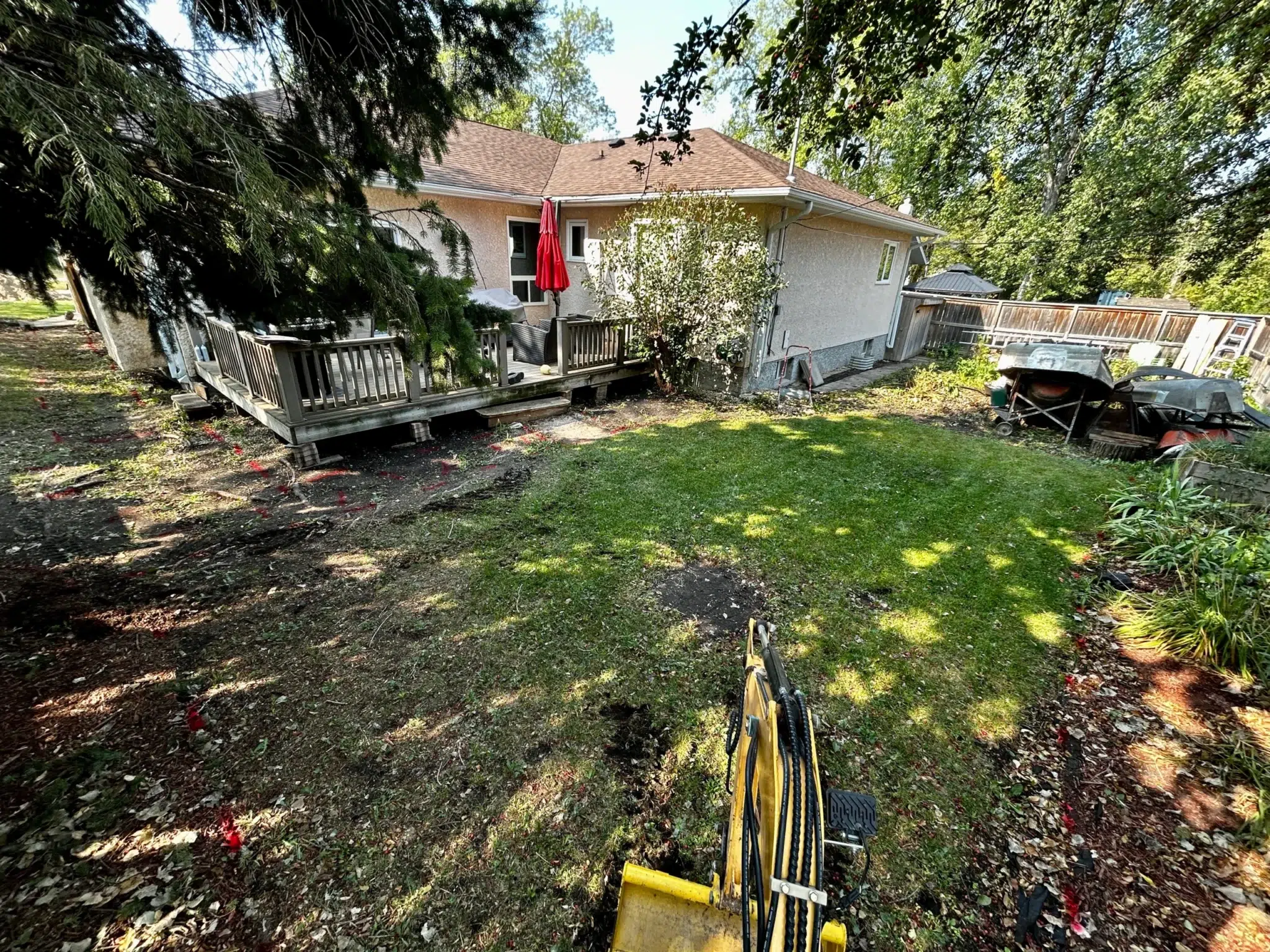
Signs Your Yard Needs Grading in Winnipeg
Grading is one of the most overlooked parts of a landscape, but it plays a critical role in how your property handles water, especially in Winnipeg’s freeze thaw climate and clay heavy soil conditions.
When a yard is properly graded, water flows away from your home, patios, and structures. When it isn’t, water collects where it shouldn’t — leading to pooling, erosion, frost heave, and long term structural issues.
This is often connected to broader drainage problems that affect how water moves through a property, especially in clay heavy Winnipeg soil.
Most homeowners don’t notice grading problems until visible damage appears. By that point, repairs are usually more expensive than the original prevention work would have been.
Understanding the early warning signs can help you avoid serious issues.
Water Pooling After Rain or Snow Melt
One of the clearest indicators of grading problems is standing water that doesn’t drain within a reasonable time after rainfall or spring thaw.
In Winnipeg, this is especially common because clay soil naturally holds moisture instead of absorbing it quickly. If water consistently sits in the same areas of your yard, it’s usually a sign the slope is incorrect.
Left unresolved, pooling water can lead to:
- soft, unusable lawn areas
- patio sinking or shifting
- frost heave damage in winter
- mosquito and pest issues in summer
Water Flowing Toward Your Home or Garage
Your yard should always slope away from structures.
If you notice water moving toward your foundation, garage, or basement entrance, the grading is likely reversed or uneven.
This is one of the most serious grading issues because it can contribute to:
- basement leaks
- foundation cracking over time
- basement humidity and mold issues
- concrete slab damage
In Winnipeg, where freeze thaw cycles are extreme, this problem accelerates quickly if not corrected.
Erosion or Washed Out Soil Areas
If mulch, soil, or gravel is constantly washing away after storms, it usually means water is moving too quickly through unprotected or improperly graded areas.
This is common on:
- sloped yards
- poorly compacted soil
- areas without proper drainage planning
Erosion is often a sign the yard was never properly graded during initial landscaping or that the grading has shifted over time.
This often happens when soil preparation or grading was not properly handled during installation, similar to issues seen in poorly prepared landscape builds.
Uneven or “Wavy” Lawn Surface
A yard that feels bumpy or uneven when walking across it often indicates grading settlement issues.
This can happen due to:
- poor soil compaction during installation
- freeze thaw ground movement
- settling after construction
- underground water movement
Beyond appearance, uneven grading also affects drainage and can cause long term instability in patios, walkways, and driveways.
Uneven settling can also be linked to improper ground preparation, especially when base construction or compaction was not done correctly in earlier landscaping work.
Patio or Walkway Sinking Near Edges
When hardscapes start to sink or shift, especially near edges or corners, the issue is often not the patio itself — it’s the surrounding grading.
Improper slope allows water to collect underneath structures, weakening the base over time.
Basement Dampness or Musty Smells
If your basement feels humid or develops musty odors after heavy rain or snow melt, exterior grading may be contributing to water pressure around your foundation.
Even without visible leaks, poor grading can direct moisture toward the foundation wall, where it slowly builds up over time.
Snow Melt Sitting Too Close to the House
In Winnipeg, snow accumulation around the home is normal — but where it melts matters.
If meltwater consistently pools near the foundation instead of flowing away, grading is almost always part of the problem.
This becomes especially critical in early spring when ground conditions are still frozen below the surface.
Why Grading Is So Important in Winnipeg
Winnipeg presents unique challenges that make grading more important than in many other regions:
- Clay soil reduces natural drainage
- Freeze thaw cycles shift soil structure
- Heavy spring runoff increases water volume
- Rapid weather changes stress poorly graded yards
Without proper grading, even high end landscaping projects can fail prematurely.
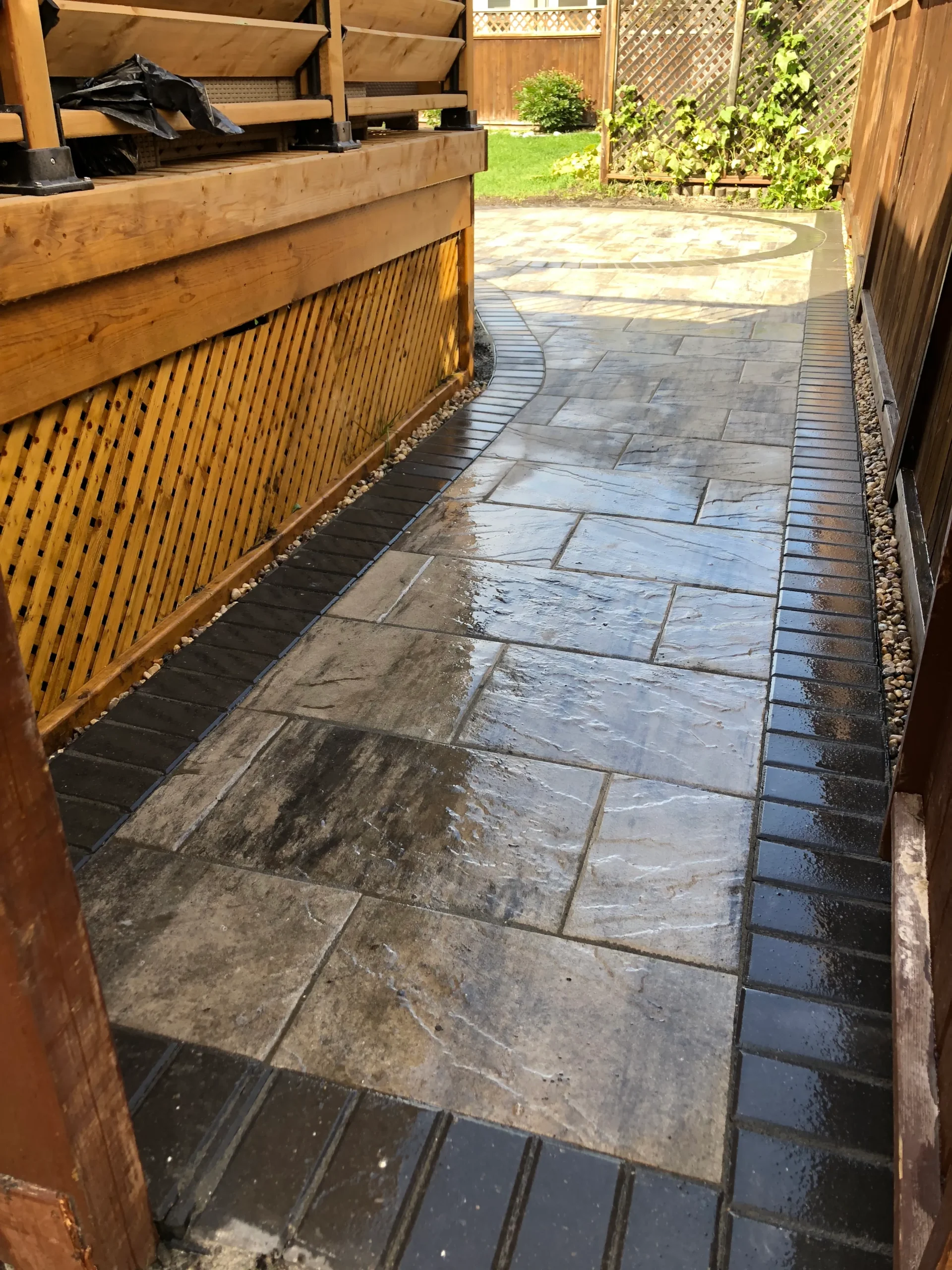
How Grading Problems Are Fixed
Correcting yard grading typically involves:
- reshaping soil levels across the property
- adjusting slope direction away from structures
- adding or removing topsoil where needed
- compacting soil properly for stability
- integrating drainage solutions if required
In some cases, grading is combined with other improvements like interlocking installation or full landscape redesign for long term stability.
Proper grading is closely connected to other landscaping systems that protect your property long term.
Grading also plays a key role in full yard transformations and drainage focused projects where water management is critical to long term performance.
Grading issues often become more expensive the longer they are left unaddressed, especially when they begin affecting surrounding landscaping or hardscaping elements.
When to Call a Professional
If you are noticing more than one of these signs, especially water pooling or foundation drainage concerns, it’s usually worth having a professional assess your property.
Early correction is significantly less expensive than fixing structural or hardscape damage later.
Frequently Asked Questions
Q: What are the signs my yard needs grading in Winnipeg?
A: Common signs include water pooling, uneven lawn areas, erosion, and water flowing toward your home or garage.
Q: Why is yard grading important?
A: Proper grading directs water away from structures, preventing foundation damage, pooling, and landscape failure.
Q: Can poor grading damage my foundation?
A: Yes. Water directed toward the home can lead to basement leaks, cracks, and long term structural issues.
Q: How do you fix yard grading issues?
A: By reshaping soil levels, correcting slope direction, compacting soil, and improving drainage pathways.
Q: Does Winnipeg soil make grading more important?
A: Yes. Clay soil and freeze thaw cycles make proper grading essential for long term yard stability.
Get Expert Yard Grading in Winnipeg Before Small Issues Become Costly Repairs
If you’re noticing signs of poor drainage, pooling water, or uneven ground, it’s worth addressing early before it leads to foundation damage or failing hardscapes. At Genesis Interlocking & Custom Landscaping, we provide professional grading solutions built specifically for Winnipeg’s clay soil and freeze thaw conditions. Proper grading is the foundation of every long lasting landscape — and getting it right now can save you major repair costs later. Contact us today to assess your yard and build a drainage system that actually works for your property.
Popular Posts

What to Budget for Landscaping a New Home in Winnipeg
Learn how much to budget for landscaping a new home in Winnipeg, including grading, patios, drainage, and full yard construction costs.
What Order Should Landscaping Be Done in Winnipeg?
Learn the correct order for landscaping projects in Winnipeg, including grading, drainage, hardscaping, and planting for long-term results.
Landscaping a New Build in Winnipeg: Where to Start
Discover how to plan landscaping for a new build in Winnipeg, including grading, drainage, hardscaping, and phased project planning.
Categories
Tags
base preparation (2) contractor pricing Winnipeg (2) drainage problems (2) drainage problems Winnipeg (2) drainage Winnipeg (4) driveway pavers Winnipeg (2) foundation drainage (2) foundation drainage landscaping (1) grading Winnipeg (6) hardscaping mistakes (3) hardscaping repair (1) hardscaping Winnipeg (12) hire landscaper Winnipeg (2) interlocking base (1) interlocking drainage (1) interlocking patio Winnipeg (4) interlocking Winnipeg (4) landscape grading Winnipeg (1) landscaping (3) landscaping company Winnipeg (2) landscaping contractor Winnipeg (5) landscaping cost Winnipeg (6) landscaping mistakes Winnipeg (2) landscaping quotes Winnipeg (4) landscaping tips Winnipeg (3) landscaping Winnipeg (13) new build landscaping (2) outdoor living spaces Winnipeg (3) patio installation Winnipeg (3) paver base (1) paver installation guide (1) paver repair Winnipeg (2) retaining wall problems (2) retaining walls Winnipeg (7) Services (2) soil grading (2) water pooling yard (2) water pooling yard Winnipeg (1) Winnipeg landscaper (6) Winnipeg Landscaping (3) yard construction (2) yard drainage (3) yard drainage Winnipeg (2) yard flooding prevention Winnipeg (1) yard grading Winnipeg (3)